time of death
October 8, 2025 by drsarojpatnaik@gmail.com
Death is a clinical diagnosis. No law in India mandates an ECG or any machine test to declare death. However, in a hospital situation, we generally perform an ECG for record-keeping purposes.
Death is a clinical diagnosis. A doctor (Registered Medical Practitioner – RMP) certifies death based on the absence of vital signs:
- ? ?No pulse
- ? ?No heart sounds
- ? ?No respiration
- ? ?Fixed and dilated pupils
Law in India (Births and Deaths Registration Act, 1969):
It only requires that a death be certified by a Registered Medical Practitioner after personal examination.
There is no legal requirement for ECG, EEG, or any machine test.
Death During Ambulance Transport : Death Declaration in India
October 8, 2025 by drsarojpatnaik@gmail.com
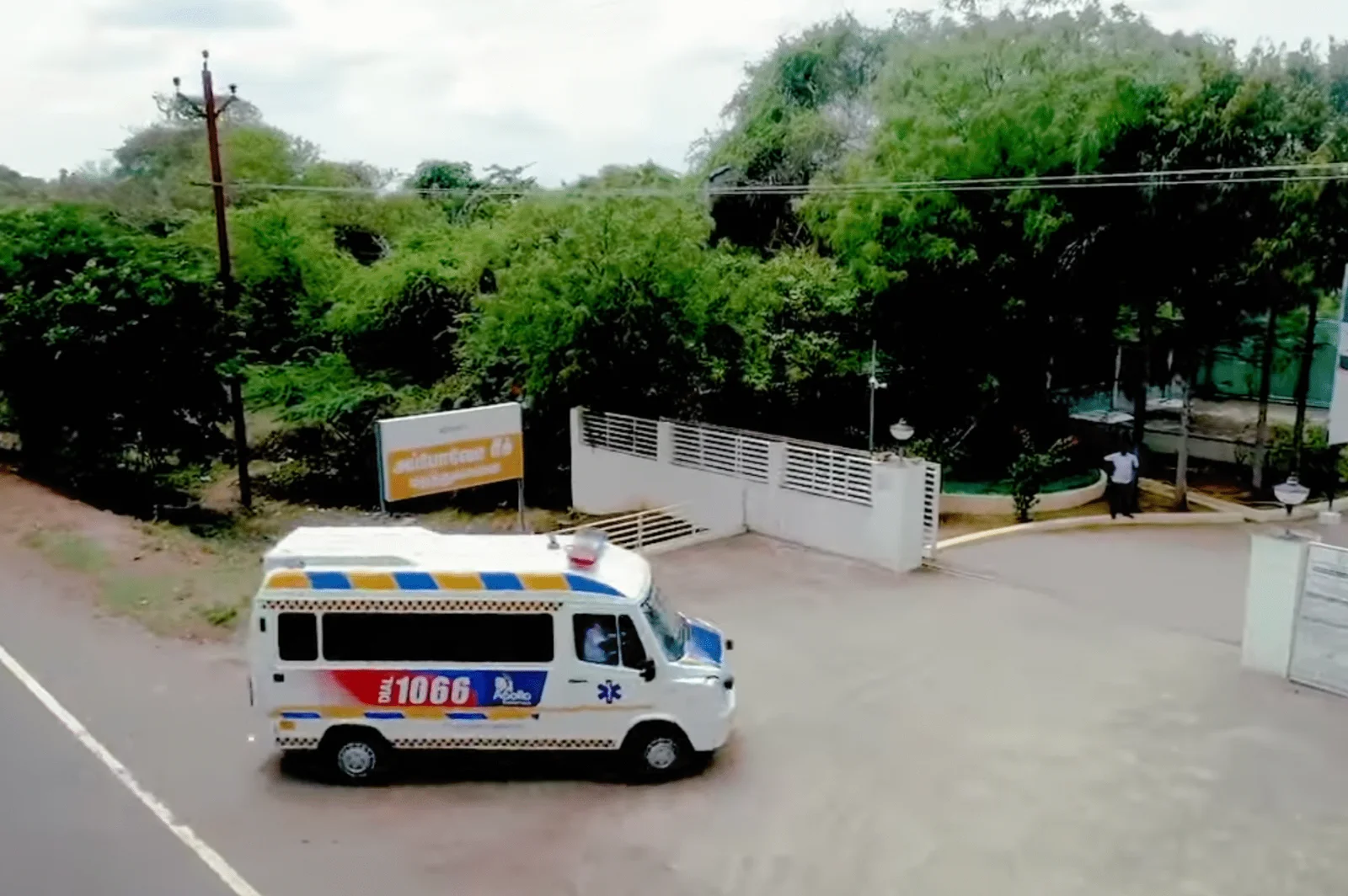
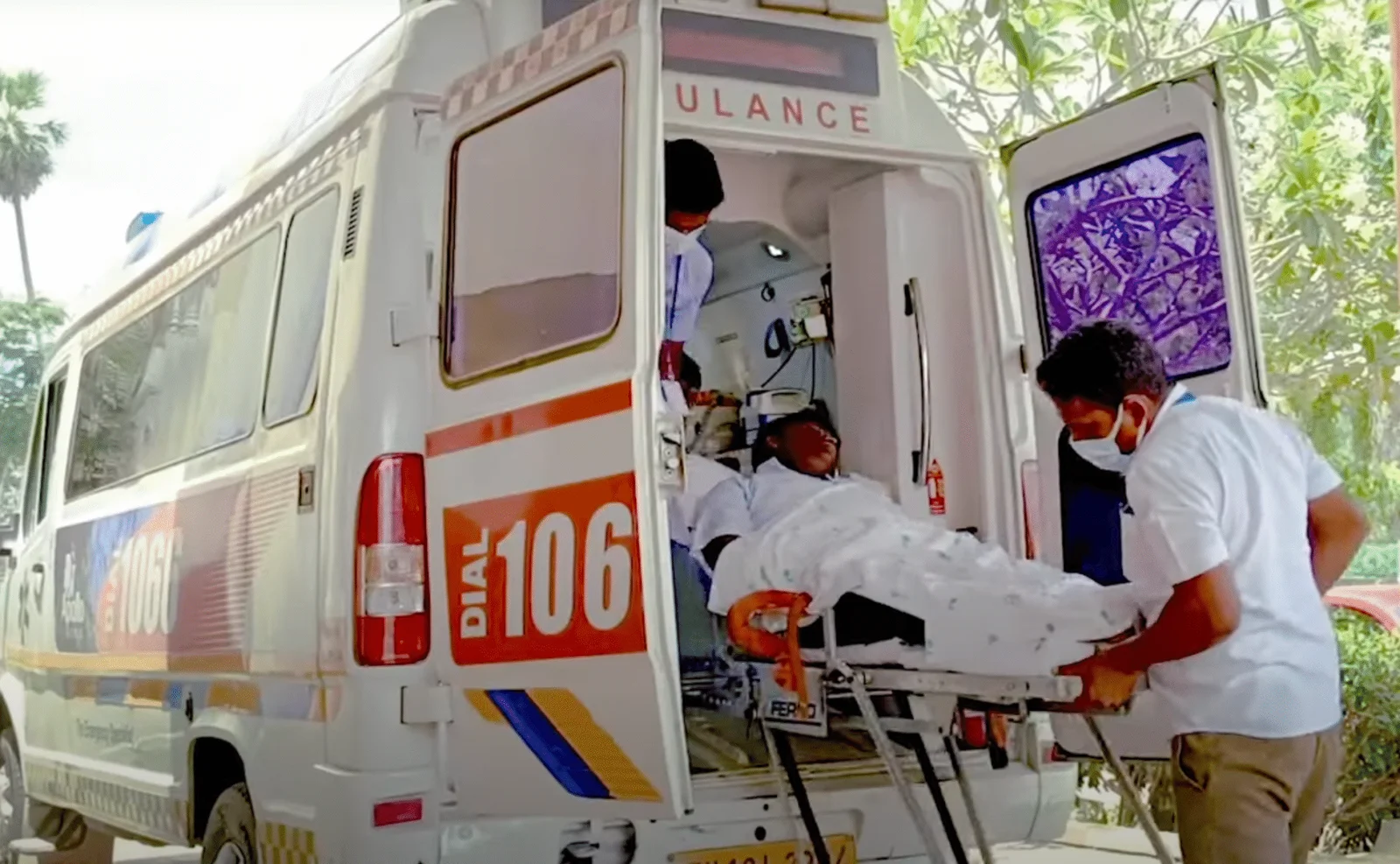
Death time puzzle: A patient is being transported by ambulance from Rourkela to Bhubaneswar. Four hours on the road, the patient suffered a cardiac arrest and died in the ambulance at 2:00 PM. A flat line was recorded on the monitor for two hours, from 2:00 PM to 4:00 PM. The patient arrived at the destination hospital at 4:00 PM, with the ECG still showing a flat line. The doctor in the emergency room retrieves the monitor’s record and confirms that the flat line was recorded since 2:00 PM.
The family insists on writing the time of death as 2.00 PM since the patient had a flat line.
Questions:
- What is the place and time of death to be recorded on the death certificate?
- If death is declared at 2:00 PM, is it legal for an ambulance to transport the body? Can ambulances transport deceased individuals?
- What are the implications of a doctor’s presence versus absence in the ambulance en route?
- If a doctor knowingly transports a deceased person in an ambulance, what legal protections are available to them, and how can these be lawfully utilised?
- What is the correct procedure to declare death at 2.00 PM and dispose of the body?
Legal, Ethical, and Clinical Aspects of Death Declaration in India
This example can be viewed from three different perspectives:-
1.? ?How to diagnose death?
2.? ?Was death certified by only a Registered Medical Practitioner (RMP)?
3.? ?What is the time/ place of death?
4.? ?What is the correct action as per the law and as per the practice? Is the law relating to this situation binding, or is there a safe play zone in this situation?